SF BIKE Map Locations Guide
Golden Gate traffic, skateparks, dealership landmarks, and hidden spots worth the detour.
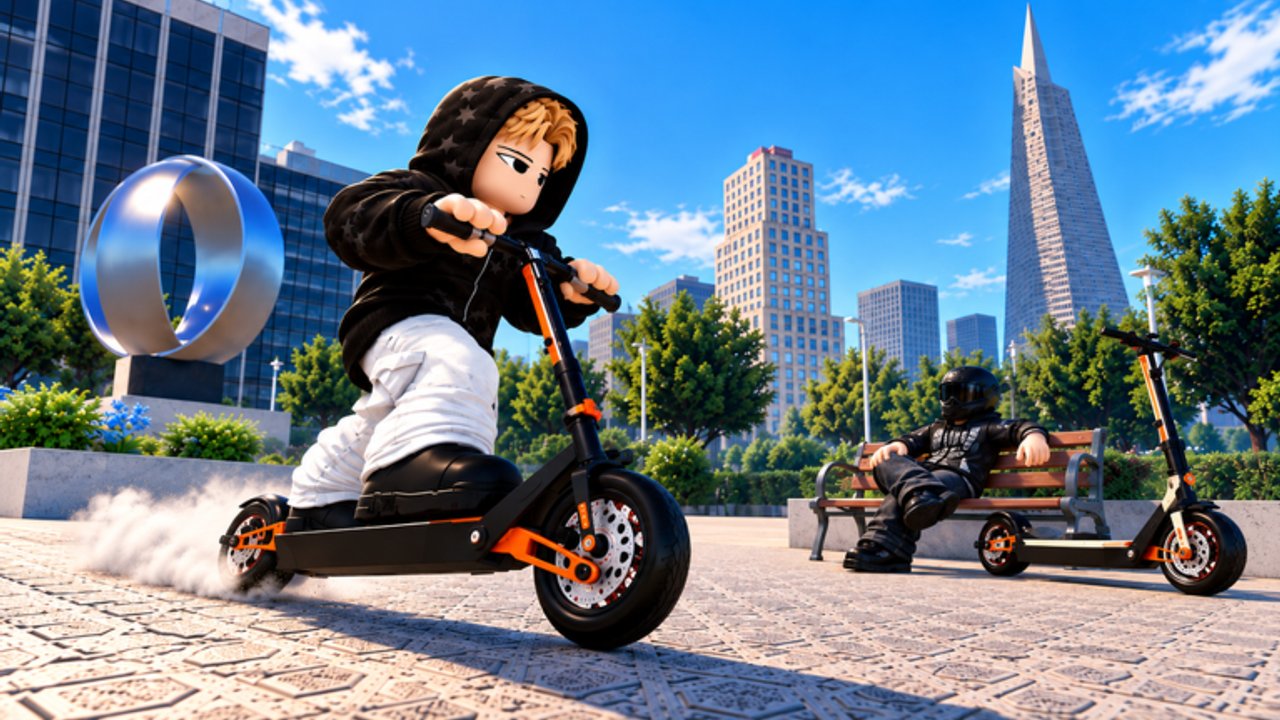
SF BIKE sells the fantasy of San Francisco as a two-wheel playground: steep streets, waterfront approaches, a Golden Gate Bridge with live traffic, skateparks for freestyle sessions, and quieter corners that reward players who leave the postcard route. This map guide is not a spoiler dump of every secret coordinate. It is a practical tour of the landmark types that matter for Cash loops, sightseeing with friends, and deciding which vehicle class belongs on which roads.
New riders should finish Getting Started and skim Controls so menus and throttle feel ready before a long exploration session.
Orient yourself from the dealership area
Treat the dealership and spawn district as home base. It is where Cash becomes a new motorcycle, scooter, or BMX, and where many sessions begin after you redeem codes through Settings → Codes. Learn the exits from this area first: which streets climb into hills, which corridors aim toward water, and which paths feel safest when you are still on a starter or free group motorcycle.
Use the dealership as a spending checkpoint, not a magnet that ends every three-minute ride. A healthier habit is to leave on a planned loop from Earn Cash Fast, return only when you are ready to buy or customize, then leave again. That rhythm keeps exploration tied to progression instead of idle window shopping.
Golden Gate Bridge — postcard and practice
The Golden Gate is the signature landmark. Live traffic means the bridge is a moving puzzle, not an empty highway skin. Approach with enough speed to feel cinematic but enough brake discipline to react to other vehicles and riders. Tips that hold up session after session:
- Enter with a camera angle that shows lanes ahead, not only your front fender.
- Avoid weaving for clips until you can hold a clean line; Cash time dies in respawns.
- Cross with friends on a filled 20-player server when you want spectacle — see Players for social habits.
- Use the bridge as a midpoint in a longer Cash circuit, not the only road you know.
If motorcycle top speed makes traffic stressful, try the same crossing on a scooter to learn the geometry, then return on a faster class once the lanes feel readable.
Skateparks — where BMX and freestyle shine
Skateparks and plaza bowls are the counterweight to highway touring. Bring a BMX or another agile class when you want tricks, short airs, and low-speed control practice. Parks are also the right classroom for hop and freestyle inputs without Golden Gate consequences. Rotate between park sessions and street loops so your garage has a reason to hold more than one vehicle type — advice that pairs with Customize Rides and the Best Bikes playstyle tiers.
Watch for other riders sharing the same park. Twenty-player servers can get busy in popular bowls; take turns on lines or move to a quieter spot instead of stacking collisions.
City streets, hills, and waterfront approaches
Between bridge and park, San Francisco’s hills teach throttle modulation. Climbing rewards smooth power; descending rewards early braking. Waterfront and arterial roads are good Cash corridors because they support longer uninterrupted motion. Build a personal shortlist:
- One hill climb that you can finish without stalling.
- One arterial that feeds the bridge approach.
- One park or plaza for freestyle breaks.
- One quiet side street for camera and brake practice after a crash.
Write those four down mentally and reuse them. Map knowledge compounds faster than random wandering.
Hidden spots and exploration mindset
The experience advertises hidden spots beyond the obvious postcard landmarks. Approach them like a scavenger: leave the main road when a staircase, alley, overlook, or odd geometry appears; mark the discovery by screenshot or meetup with friends; then decide whether that spot belongs on your regular Cash loop or stays a sightseeing detour.
Do not expect a permanent public list of every secret to survive NEW BIKES and map polish patches. The durable skill is curiosity plus a return path to the dealership. If a spot is great for photos but terrible for continuous riding, enjoy it, then rejoin a productive route so Cash keeps moving.
Suggested exploration itineraries
Sightseeing first hour: Spawn and dealership → hill climb → Golden Gate crossing → return via arterial → short skatepark visit.
Cash-focused hour: Codes at Settings → motorcycle arterial loop → careful bridge pass → skip long photo stops → dealership spend review with the Tier List open.
Freestyle hour: Scooter or BMX to the nearest park → practice controls → scout one side-street hidden corner → regroup with friends.
Safety and etiquette on a shared map
- Brake for live traffic instead of treating NPCs as bowling pins every time.
- Leave space for other players at park lips and bridge lanes.
- Rejoin the dealership calmly after a wipeout instead of rage-weaving.
- Recheck Updates if a familiar landmark feels relocated after a patch.
Tie the map back to progression
Landmarks are only useful when they feed decisions. Bridge loops fill Cash; parks teach handling; the dealership converts both into garage growth; hidden spots keep the city feeling alive after the first postcard ride. Keep this page next to Guides Hub, Earn Cash Fast, and Customize Rides so every destination has a purpose beyond “I saw it in a thumbnail.”
Frequently Asked Questions
Quick answers for codes, free bikes, Cash, and updates.
Where should new SF BIKE players go first?
Learn the dealership and spawn exits, take a careful Golden Gate crossing, then visit a skatepark to test whether BMX or scooter handling fits you.
Does the Golden Gate Bridge have traffic?
Yes. The bridge features live traffic, so plan entries with early braking and a clear camera view of the lanes ahead.
What are skateparks good for?
Skateparks suit BMX and freestyle practice, low-speed control training, and breaks from highway Cash loops.
How do I find hidden spots?
Leave main roads when alleys, overlooks, or odd geometry appear, screenshot discoveries, and decide later whether they belong on a regular route.
Should every ride end at the dealership?
Use the dealership as a spending checkpoint after a planned loop, not as a magnet that interrupts every few minutes of riding.